Old Cowboy Regular: Harnessing the Rugged Spirit of the Wild West in Modern Design
The American frontier has long captured the imagination of designers, storytellers, and history enthusiasts alike. There is a distinct aesthetic associated with the Wild West—a visual language composed of dusty trails, wooden saloons, wanted posters, and rugged individualism. For graphic designers and hobbyists seeking to evoke this era, typography plays a pivotal role. Among the myriad of typefaces available, Old Cowboy Regular stands out as a premier choice for capturing the authentic essence of the 19th-century frontier. This font is not merely a collection of letters; it is a design tool that packages historical charisma into a usable, modern format.
Understanding how to effectively utilize Old Cowboy Regular requires more than just installing a file. It involves appreciating its Western-inspired aesthetics, recognizing its technical versatility across various software and hardware platforms, and applying it with intention to create compelling visual narratives. Whether you are a professional graphic designer working on a brand identity or a DIY enthusiast creating custom home decor, this font offers a robust, rustic prowess that can elevate your projects from ordinary to extraordinary.
The Aesthetic Appeal of Western Typography
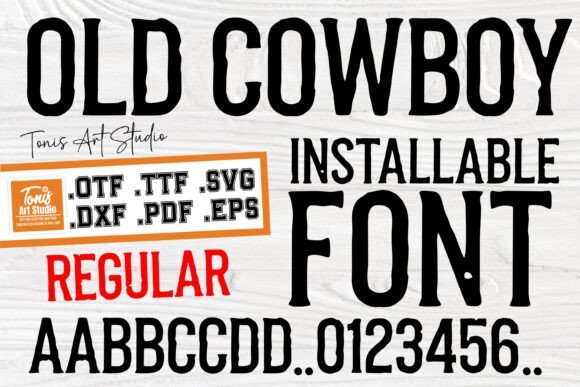
Typography is often described as the voice of design. When you choose a font, you are choosing a tone. Old Cowboy Regular speaks with a bold, confident, and slightly weathered voice. Its characters are designed to showcase the bold and rugged nature of the cowboy lifestyle. Unlike sleek, modern sans-serif fonts that convey minimalism and corporate efficiency, Old Cowboy Regular embraces imperfection and texture. This is intentional. The "rustic" quality of the font mimics the hand-painted signs found in old frontier towns, where paint might chip, and wood grain might show through.
The significance of this aesthetic lies in its ability to trigger immediate emotional responses. When a viewer sees text rendered in Old Cowboy Regular, they are subconsciously transported to a time of adventure and resilience. This makes it an ideal choice for projects that require an authentic vintage vibe. It is not just about looking "old"; it is about looking "timeless." The font balances readability with stylistic flair, ensuring that while the message feels historical, it remains clear to contemporary audiences.
Why Authenticity Matters in Design
In an age of digital perfection, there is a growing consumer appetite for authenticity. People crave connections to history and craftsmanship. Using a font like Old Cowboy Regular allows designers to tap into this desire. It lends a sense of heritage and trustworthiness to brands that want to position themselves as established, reliable, or rooted in tradition. For example, a craft brewery using this font on its label suggests a small-batch, handcrafted product rather than a mass-produced commodity. Similarly, a local barbecue restaurant might use it to emphasize its slow-cooking, traditional methods.
Practical Applications: From Posters to Logos
The versatility of Old Cowboy Regular makes it suitable for a diverse range of projects. Its robust character structure ensures that it remains legible even at larger sizes, making it perfect for display purposes. Here are some of the most effective ways to harness this font’s potential:
- Alluring Posters: Event promoters often struggle to capture attention in a crowded digital and physical landscape. A poster for a country music festival, a rodeo, or a western-themed party gains instant credibility and visual impact when headlined with Old Cowboy Regular. The bold strokes command attention, while the rustic details invite closer inspection.
- Catchy T-Shirts: The apparel industry, particularly the print-on-demand sector, thrives on niche aesthetics. T-shirts featuring quotes about outdoor life, hunting, or western heritage resonate deeply with specific demographics. Old Cowboy Regular provides the perfect typographic foundation for these designs, ensuring the text complements the imagery rather than competing with it.
- Eye-Catching Logos: For businesses in the agriculture, outdoor gear, or hospitality sectors, a logo needs to be memorable and scalable. The distinct shapes of the letters in Old Cowboy Regular allow for unique logotype creation. Whether used in full or as a monogram, the font imparts a sense of strength and durability to the brand identity.
- Novel Invitations: Themed events, such as western weddings, birthday parties, or baby showers, benefit greatly from cohesive design elements. Invitations set in Old Cowboy Regular set the tone before the guest even arrives. It transforms a simple piece of paper into a keepsake that reflects the theme’s spirit.
Technical Versatility and Compatibility
One of the most common frustrations for designers, especially those new to the craft, is file compatibility. A beautiful font is useless if it cannot be opened in your design software or cut by your machine. Old Cowboy Regular addresses this issue comprehensively by offering a complete package of file formats. This inclusivity ensures seamless cooperation with both digital design tools and physical cutting machines.
The font is available in both OTF (OpenType Font) and TTF (TrueType Font) formats. These are the standard formats recognized by virtually all major operating systems (Windows and macOS) and design applications (such as Adobe Photoshop, Illustrator, InDesign, Canva, and Microsoft Word). This means you can install the font on your computer and begin typing with it immediately, regardless of your preferred software ecosystem.
Integration with Cutting Machines
For the growing community of DIY makers and crafters, the inclusion of vector cut files is a significant advantage. Old Cowboy Regular comes with SVG, DXF, PDF, and EPS files. These formats are essential for users of dominant cutting machines like Cricut and Silhouette.
- SVG (Scalable Vector Graphics): This is the preferred format for Cricut Design Space. It allows for clean, precise cuts without pixelation, ensuring that intricate parts of the letters are preserved.
- DXF (Drawing Exchange Format): Often used by Silhouette Studio users, particularly those with the basic edition of the software, DXF files provide the necessary vector data for cutting vinyl, paper, or cardstock.
- EPS and PDF: These formats are ideal for professional printing and further editing in vector-based software. They ensure that the font’s integrity is maintained when scaling up for large-format prints, such as banners or signage.
This multi-format approach amplifies your creations with a dash of Western charisma peculiar to Old Cowboy Regular, removing technical barriers and allowing you to focus on creativity. Whether you are designing a digital ad or cutting a vinyl decal for a truck window, the process is streamlined and efficient.
Best Practices for Using Old Cowboy Regular
To truly master the use of this font, it is helpful to understand some design principles. While Old Cowboy Regular is striking, it should be used judiciously to maintain its impact.
Pairing with Complementary Fonts: Because Old Cowboy Regular is a display font with strong personality, it pairs best with simpler, neutral body fonts. Consider using a clean sans-serif or a classic serif for longer paragraphs of text. This contrast ensures that the Western theme is highlighted without overwhelming the reader. For instance, use Old Cowboy Regular for the headline "Annual Ranch Auction" and a simple sans-serif for the date, time, and location details.
Color and Texture: The rustic nature of the font is enhanced by appropriate color choices. Earth tones such as deep browns, burnt oranges, sage greens, and faded blacks work exceptionally well. Additionally, adding subtle textures—like paper grain, wood, or leather backgrounds—can reinforce the vintage aesthetic. However, avoid overly busy backgrounds that might clash with the detailed edges of the letters.
Spacing and Kerning: Display fonts often require manual adjustment of spacing between letters (kerning) to ensure optimal readability. With Old Cowboy Regular, pay attention to how the bold characters interact. Slightly increasing the letter spacing can improve legibility, especially when used in all-caps for headlines.
Conclusion: Embracing the Frontier Spirit
In conclusion, Old Cowboy Regular is more than just a typeface; it is a gateway to a specific cultural and historical aesthetic. Its ability to convey boldness, ruggedness, and authenticity makes it an invaluable asset for designers and creators across various industries. By understanding its visual strengths and leveraging its technical compatibility with modern tools like Cricut and Silhouette, you can create designs that are not only visually appealing but also emotionally resonant.
Whether you are crafting a logo for a new business, designing invitations for a themed event, or creating custom apparel, Old Cowboy Regular offers the ultimate choice for infusing your work with the spirit of the Wild West. As you incorporate this font into your toolkit, remember that its power lies in its ability to tell a story. Let the bold, rustic characters speak for themselves, and watch as your designs capture the imagination of your audience, just as the frontier once captured the hearts of adventurers. Embrace the Western charisma, and let your creativity roam free.