Cutype: The Essential Typography Solution for Precision Laser and Paper Cutting
In the evolving landscape of digital fabrication and physical crafting, the bridge between digital design and tangible output is often defined by the limitations of materials. Whether working with vinyl cutters, laser engravers, or traditional hand-cutting tools, creators frequently encounter a frustrating phenomenon: delicate serifs snapping off, thin lines failing to adhere, and intricate details becoming lost in the cutting process. This is where specialized typography becomes not just an aesthetic choice, but a functional necessity. Cutype emerges as a critical tool in this domain, offering a typeface specifically engineered to withstand the mechanical stresses of cutting while maintaining visual clarity and structural integrity.
The Engineering Behind Structural Integrity
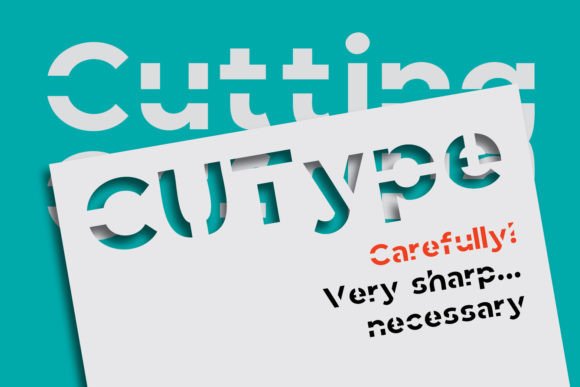
Standard fonts are designed primarily for screen readability or ink-based printing, where the weight of a line does not impact the physical survival of the character. In contrast, CUType is built on a foundation of boldness and connectivity. The primary challenge in cutting letters from materials like cardstock, vinyl, or wood is ensuring that every part of the letter remains attached to the main body. Traditional fonts often feature thin connectors or isolated dots, such as the tittle on an "i" or the separate components of an "e," which can easily detach during the weeding or cutting process.
Cutype addresses this by utilizing thick, uniform strokes and smooth edges. The design philosophy prioritizes the elimination of fragile points. By ensuring that all elements of a glyph are robustly connected, the font guarantees that the final cutout remains a single, cohesive unit. This structural strength is vital for applications where durability is key, such as outdoor signage or reusable stencils. The smooth edges also play a crucial role; they reduce friction during the cutting process, allowing blades and lasers to move more efficiently, resulting in cleaner cuts and less wear on machinery.
Applications Across Creative Industries
The versatility of Cutype extends far beyond simple hobbyist projects. Its unique characteristics make it suitable for a wide array of professional and educational applications. Understanding where and how to apply this font can significantly enhance the quality of finished products.
Signage and Branding
For small businesses and event planners, creating custom signage is a common requirement. Vinyl lettering is a popular medium due to its cost-effectiveness and ease of application. However, using a standard font can lead to production errors, especially when scaling down text for smaller signs. Cutype’s bold structure ensures that even at smaller sizes, the letters remain legible and intact. This is particularly important for window decals, door signs, and promotional banners where brand clarity is paramount. The clean shapes allow for high visibility from a distance, making it an excellent choice for retail environments.
Educational Tools and Stencils
Educators and parents often create custom learning materials, including alphabet stencils for young children. In this context, durability is essential. A stencil must withstand repeated use, cleaning, and handling without breaking. CUType’s strong connections mean that the inner parts of letters like "O," "A," and "B" stay securely in place. This prevents the frustration of losing small pieces mid-project and ensures that the stencil remains usable for extended periods. Furthermore, the clear shapes help learners recognize letters accurately, supporting early literacy development through hands-on activities.
Paper Crafts and Card Making
The world of paper crafting relies heavily on precision. Intricate die-cut cards and layered paper art require fonts that can handle complex designs without compromising structural stability. Cutype allows crafters to experiment with bold typographic statements in their greeting cards and invitations. The smooth edges ensure that when layers are assembled, they fit together seamlessly, creating a professional finish. Whether creating wedding invitations, holiday cards, or scrapbook layouts, the font provides a modern, clean look that complements various design styles.
Technical Considerations for Optimal Results
While Cutype is designed to be user-friendly, achieving the best results requires an understanding of how it interacts with different cutting technologies. Users should consider several factors to maximize the potential of this specialized font.
- Material Thickness: Although Cutype is robust, the thickness of the material being cut will affect the final appearance. Thicker materials may require slight adjustments in spacing to prevent letters from merging. Testing on scrap material is always recommended before committing to the final piece.
- Cutting Speed and Pressure: The bold nature of the font allows for faster cutting speeds compared to intricate script fonts. However, adjusting pressure settings according to the material type is crucial. Too much pressure can cause tearing, while too little may result in incomplete cuts. The smooth edges of Cutype generally tolerate a wider range of settings, offering more flexibility for users.
- Weeding Process: Weeding, the process of removing excess material from around the cut design, is significantly easier with Cutype. The clear shapes and strong connections mean that users spend less time picking out tiny fragments and more time assembling their projects. This efficiency is particularly beneficial for large-scale projects or commercial production environments.
Enhancing Workflow Efficiency
Time is a valuable resource for any creator. Using a font that minimizes errors and rework can drastically improve workflow efficiency. With standard fonts, designers often need to manually modify characters to add bridges or thicken lines to make them cuttable. This additional step is not only time-consuming but also requires a high level of technical skill. Cutype eliminates this need by providing ready-to-cut glyphs right out of the box. This allows designers to focus on creativity and layout rather than technical troubleshooting.
Moreover, the consistency of the font ensures uniformity across large projects. When producing multiple signs or a series of educational materials, having a reliable typeface means that every piece will meet the same quality standards. This reliability is crucial for professionals who need to deliver consistent results to clients or students. The predictability of Cutype reduces the cognitive load on the designer, allowing for a smoother, more enjoyable creative process.
The Intersection of Aesthetics and Function
There is a common misconception that functional fonts must sacrifice aesthetic appeal. Cutype challenges this notion by proving that practicality and beauty can coexist. The bold, clear shapes of the font lend themselves to a modern, minimalist aesthetic that is currently in high demand. It works well in both contemporary and traditional settings, offering a timeless look that does not feel overly trendy or dated.
By prioritizing smooth edges and clear forms, the font achieves a level of elegance that is often missing in purely utilitarian typefaces. It demonstrates that good design is not just about how something looks, but also about how it works. This holistic approach to typography resonates with creators who value both form and function in their work. Whether used for a high-end branding project or a simple classroom activity, Cutype delivers a polished result that enhances the overall perception of the final product.
Future Trends in Digital Fabrication Typography
As technology advances, the demand for specialized fonts like Cutype is likely to grow. The rise of desktop fabrication tools, such as affordable laser cutters and Cricut machines, has democratized manufacturing, allowing more people to engage in physical creation. This shift necessitates a broader understanding of how digital assets translate into physical objects. Fonts that are optimized for these processes will become increasingly important in the designer’s toolkit.
Furthermore, the integration of smart materials and new cutting techniques will continue to push the boundaries of what is possible. Typefaces that can adapt to these innovations, offering flexibility and resilience, will remain at the forefront of the industry. Cutype represents a step in this direction, providing a solid foundation for creators to explore new possibilities in digital fabrication. By embracing such tools, designers can unlock new levels of creativity and efficiency, paving the way for more innovative and impactful projects.
In conclusion, the choice of typography in cutting projects is a critical decision that impacts both the process and the outcome. Cutype offers a reliable, efficient, and aesthetically pleasing solution that addresses the unique challenges of laser and paper cutting. By understanding its features and applications, creators can enhance their workflows, improve the quality of their outputs, and expand their creative horizons. Whether you are a seasoned professional or a curious hobbyist, incorporating this specialized font into your repertoire can lead to better results and a more satisfying creative experience.